Vietnam's Ancient Capital
Hoa Lu.
Where Stone Meets Water
Once called Ninh Binh, now carrying the name of its ancient capital, this is a land of towering karst mountains, silent rivers, and a thousand years of Vietnamese history waiting to be discovered.
About the Region
A Landscape That Tells Stories
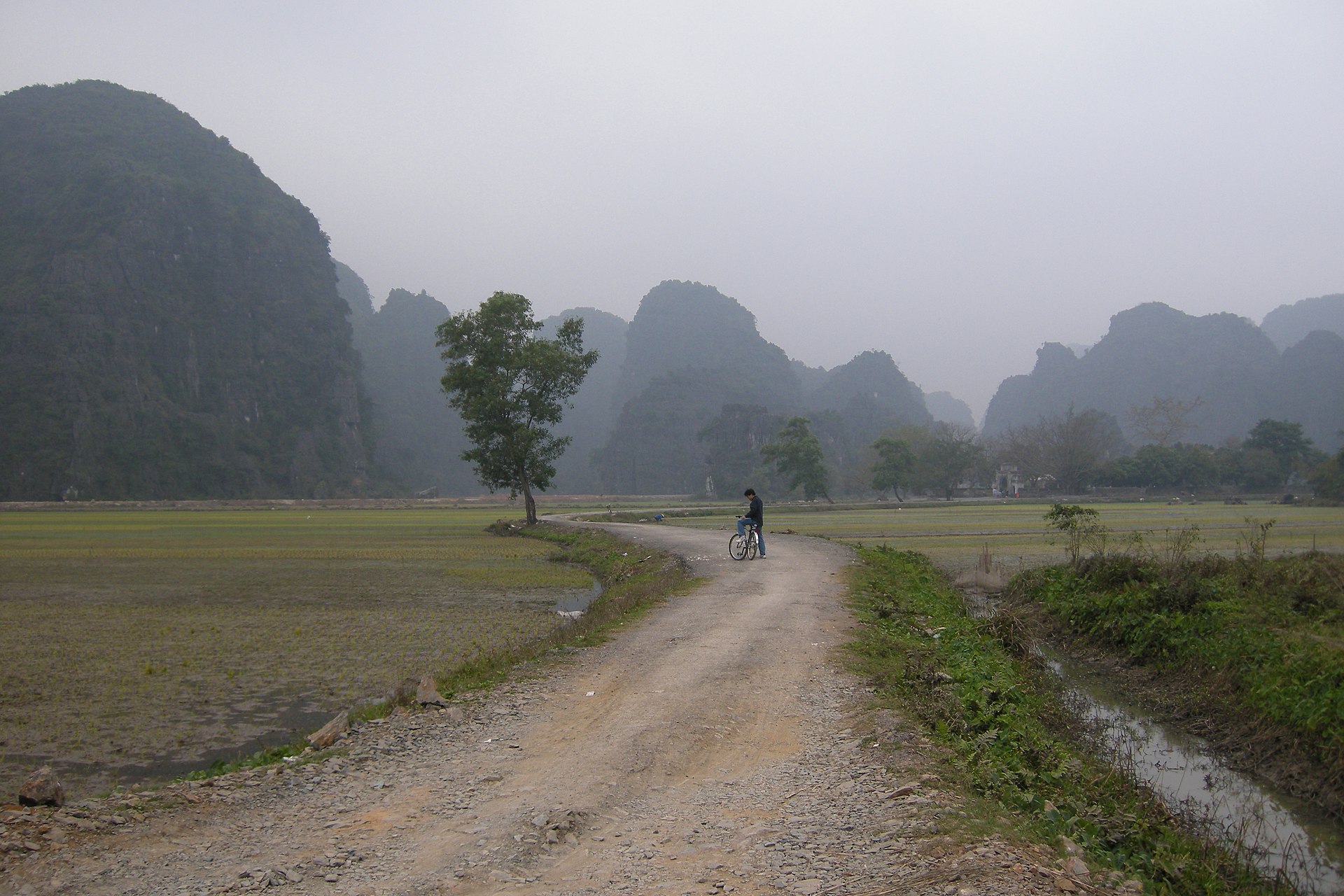
Ninety kilometers south of Hanoi, the flat Red River Delta gives way to something extraordinary. Limestone karsts erupt from the earth like ancient sentinels, their faces carved by millions of years of wind and rain. Rivers thread through them in silence, carrying wooden boats beneath arching cave ceilings into hidden valleys beyond.
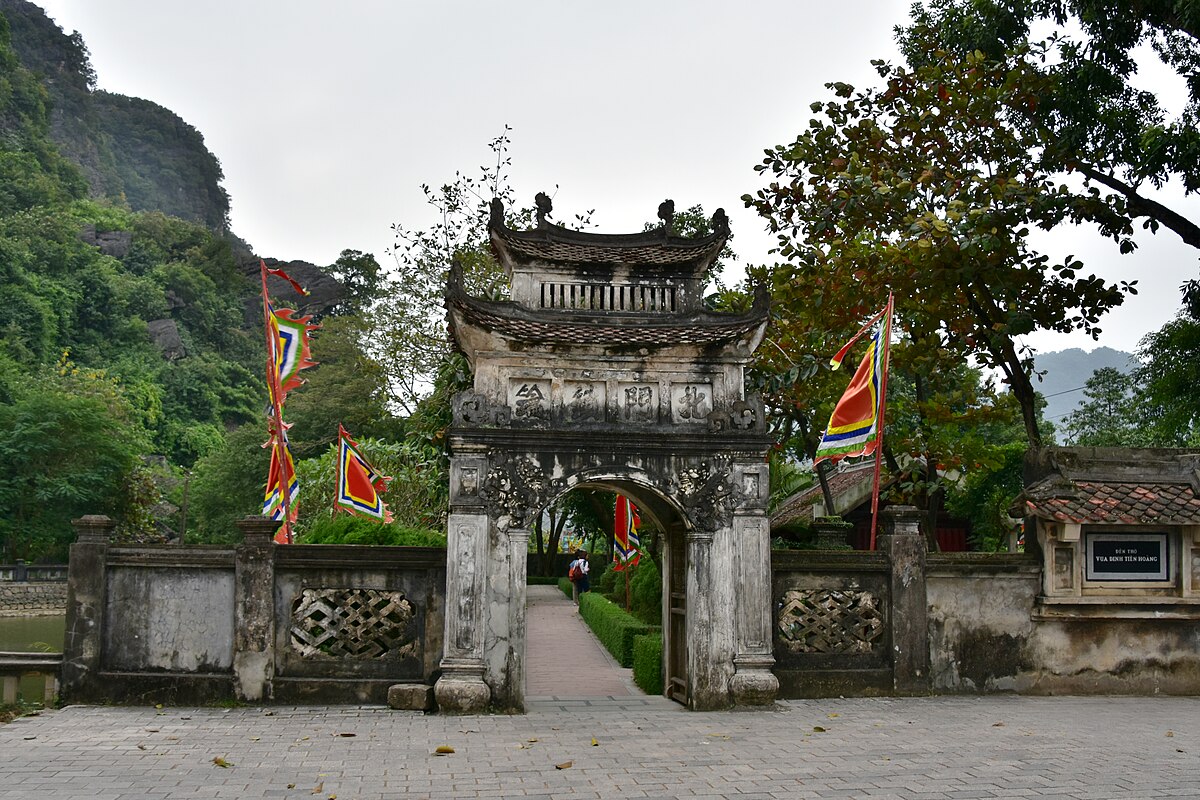
This is Hoa Lu, the region long known as Ninh Binh, a place where nature and history are inseparable. The Dinh dynasty chose these dramatic peaks as the backdrop for Vietnam's first capital in 968 AD, and the temples they built still stand among the rice paddies. UNESCO recognized the Trang An Scenic Landscape Complex for both its outstanding natural beauty and its archaeological significance, a rare dual designation that speaks to the region's exceptional character.
Today, Hoa Lu draws travelers who seek more than the ordinary. Photographers chase the golden hour across flooded rice fields. Cyclists follow narrow paths between karst walls. Pilgrims climb stone steps to mountain-top pagodas. And on the rivers, the only sound is the gentle dip of a paddle. For an overview of what the region offers, see the official Vietnam tourism guide to Ninh Binh.
Destinations
Places That Stay with You
UNESCO World Heritage
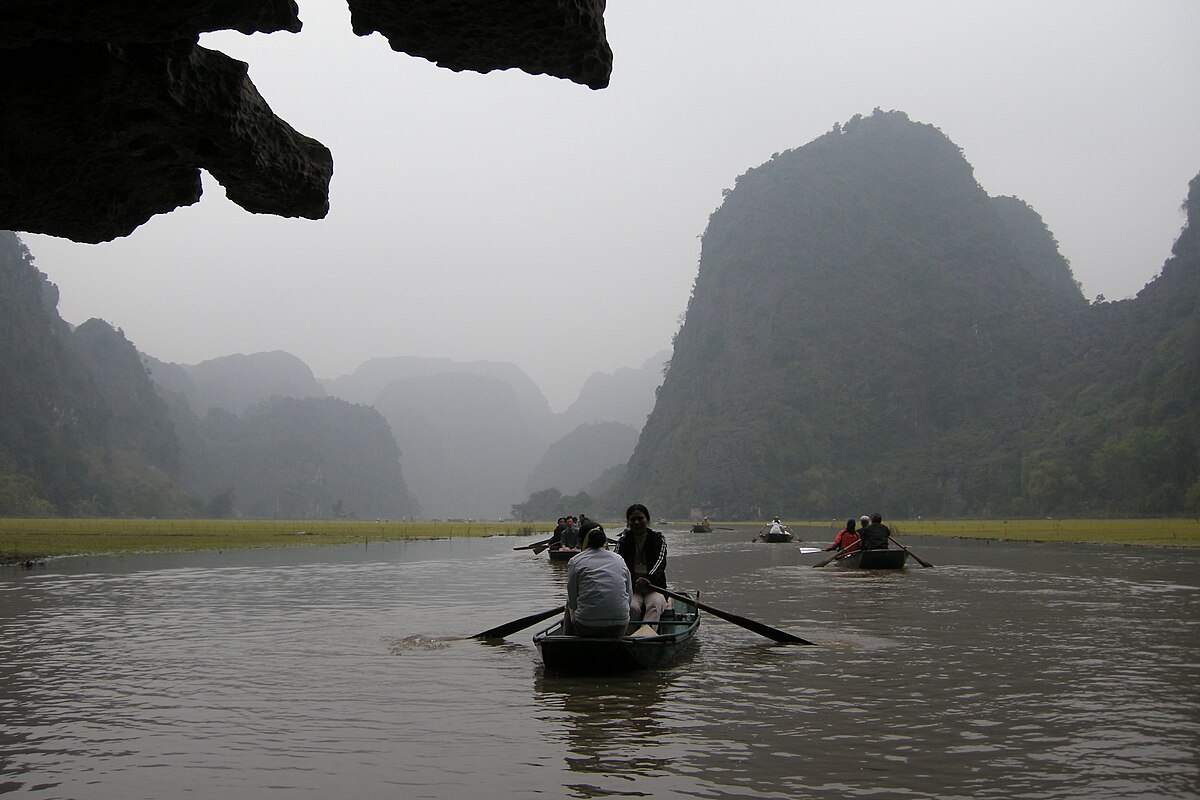
Trang An Scenic Landscape
A boat journey through cathedral-like caves and emerald waterways, connecting valleys that time forgot.

Iconic Landscape
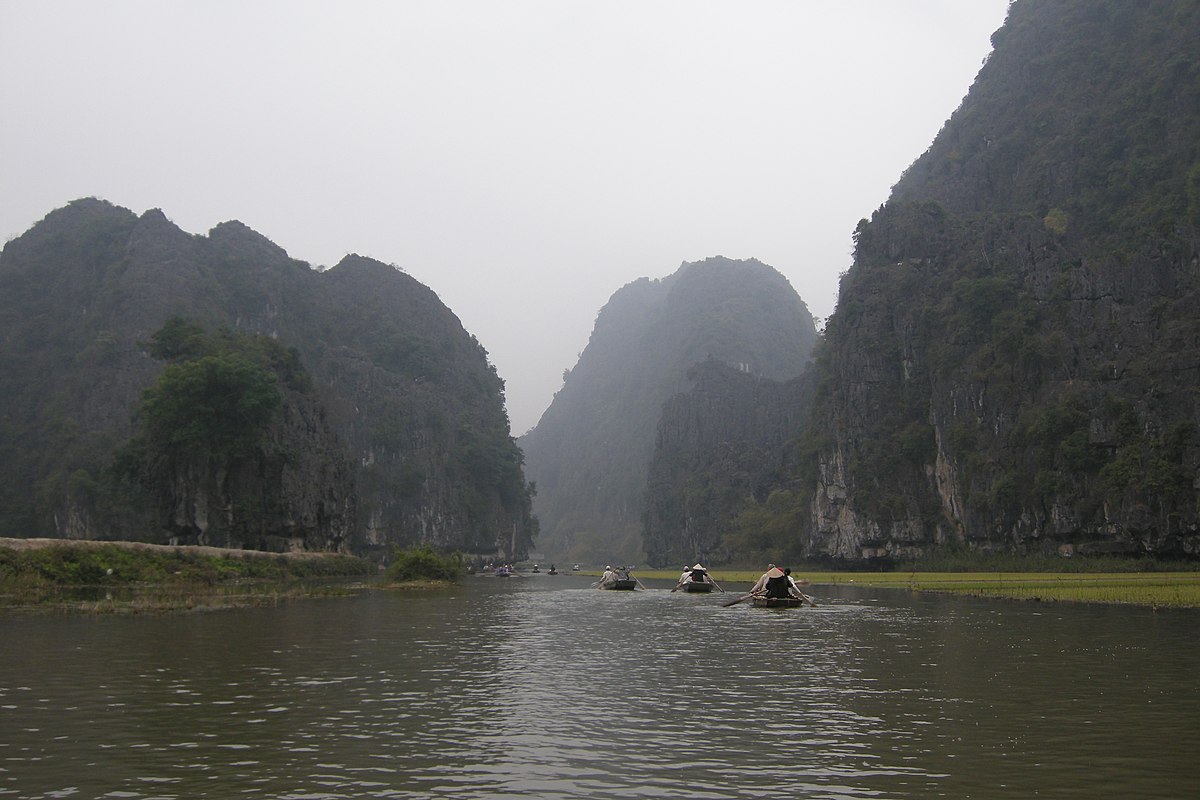
Tam Coc
Three caves, infinite beauty. Drift along the Ngo Dong River as karst peaks rise around you like a living painting.
Panoramic Views
Mua Cave Viewpoint
Five hundred steps to a dragon-crowned summit where the entire Tam Coc valley unfolds beneath your feet.
Historical Capital
Ancient Capital of Hoa Lu
Walk the grounds where Vietnamese emperors once ruled, surrounded by the same karst fortress that protected a nation.
Experiences
How Will You Explore?
By Boat
Glide through flooded caves and along winding rivers beneath towering limestone cliffs.
By Bicycle
Pedal along quiet paths through rice paddies, villages, and past karst peaks at your own pace.
On Foot
Climb ancient steps to mountain viewpoints and trek through primary rainforest.
Through the Lens
Discover why photographers consider Hoa Lu one of the most photogenic places in Southeast Asia.
By Taste
From crispy mountain goat to scorched rice, the local cuisine is as distinctive as the landscape.
Local Life
Step beyond the tourist trail into village life, artisan workshops, and living traditions.
Book Your Hoa Lu Experience
Book with Ninh Binh Tourist Center for reliable, locally-guided experiences.
Best of Ninh Binh in One Day
1 day
Experience the highlights of Hoa Lu and Ninh Binh in a single unforgettable day with a private guide.
Learn more →Culture of Ninh Binh 2-Day Tour
2 days
Immerse yourself in the rich cultural heritage of Hoa Lu with a two-day guided exploration.
Learn more →Ninh Binh Private Tour
Flexible
Customize your Hoa Lu adventure with a fully private tour tailored to your interests.
Learn more →Easy Rider Motorbike Tour
1 day
Feel the wind as you explore the countryside on the back of a motorbike with a local rider.
Learn more →Ha Giang Tour with Private Driver
4-5 days
Extend your Vietnam adventure with a breathtaking drive through Ha Giang's mountain passes.
Learn more →Cuc Phuong National Park
1 day
Venture into one of Vietnam's oldest and most biodiverse national parks.
Learn more →Plan Your Visit
Everything You Need to Know
Best Time to Visit
Month-by-month guide to seasons, weather, and crowds.
Where to Stay
Homestays, boutique hotels, and the best areas to base yourself.
Itineraries
Ready-made 1-day, 2-day, and 3-day plans.
Budget Guide
What things cost and how to make the most of your money.
Day Trip from Hanoi
See the highlights in a single day from the capital.